-
 Checks 1 x $19.00
 -
 Herringbone 1 x $39.00
Total: $75.00


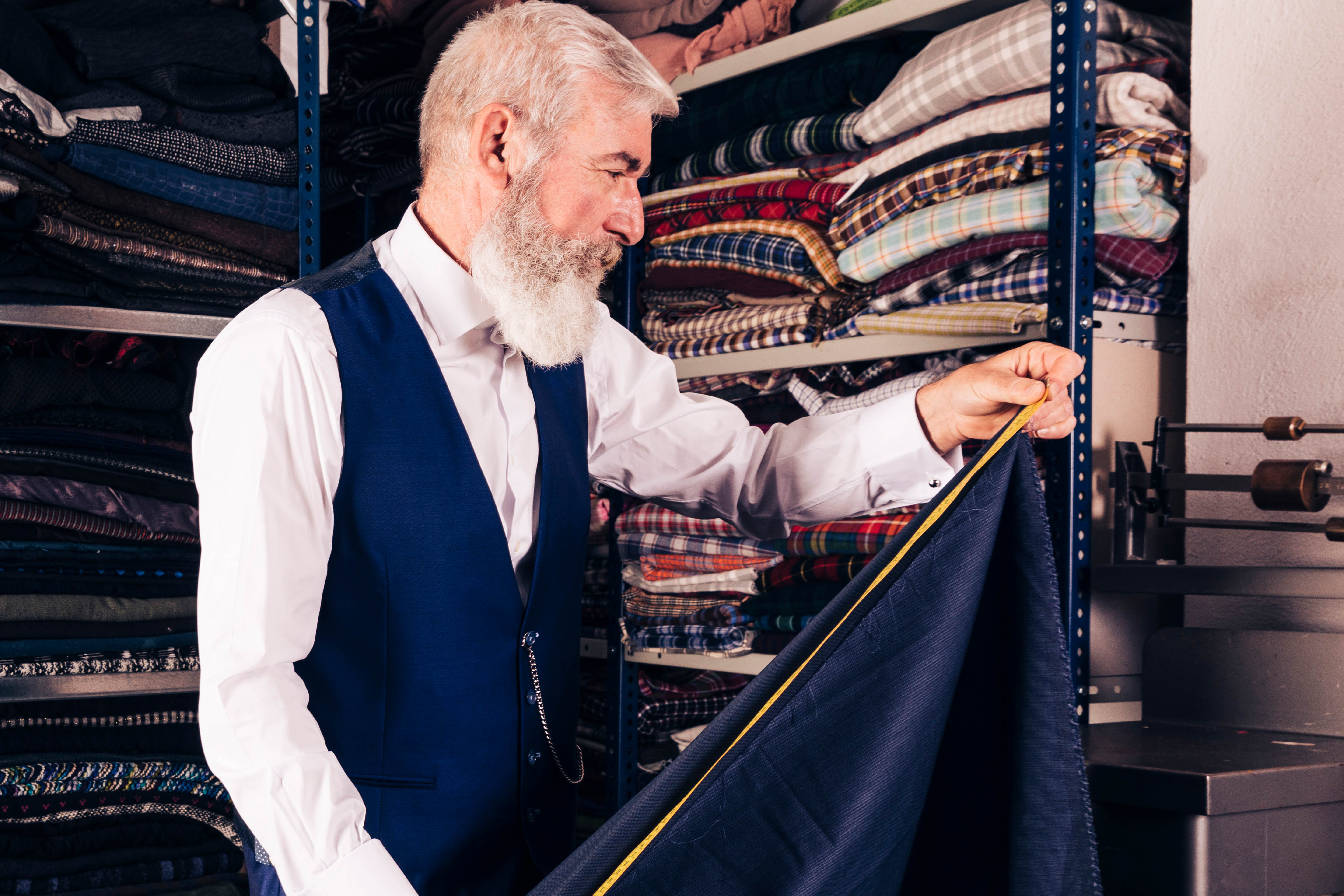
Hong Kong has one of the richest tailoring traditions in the world, and for good reason — the city has been producing hand-cut, hand-sewn garments for international clients for decades. But if you're looking for a custom hong kong tailor for the first time, the sheer number of options can be overwhelming. Every shopfront in Tsim Sha Tsui seems to promise the same thing. Here's how to cut through the noise and find a tailor who'll actually deliver.
The word 'custom' is used loosely in Hong Kong's tailoring industry. At its best, a custom hong kong tailor drafts a unique pattern from your precise body measurements, cuts the cloth by hand, and constructs the garment largely by hand — including the internal canvas, padding, and lapel stitching that give a suit its shape and drape.
At its worst, 'custom' means an off-the-rack garment adjusted to your approximate size and handed to you in 48 hours. The price gap between these two things can be surprisingly small, which is why knowing how to tell them apart matters.
When you visit, ask directly: is my pattern drafted from scratch, or adjusted from a standard block? How many hours of hand-stitching are in the canvas? What is the construction method — full canvas, half canvas, or fused? A tailor who knows their craft will answer without hesitation.
A few quick checks before you walk through the door:
A genuine bespoke suit involves at least two fittings, typically three:
If a tailor offers a 'custom suit' with no fittings or a single quick try-on, you're looking at made-to-measure or adjusted ready-to-wear, not bespoke.
Fabric is the most permanent decision you'll make. A well-made suit in mediocre cloth will always disappoint; a great cloth in competent construction will outlast both. A few practical points:
Established in Tsim Sha Tsui in 1996 by Michael Lalwani, Manhattan Tailors has built its reputation over 28+ years on exactly the kind of process described above — genuine pattern drafting from scratch, hand-cutting, full-canvas construction, and 2–3 fittings as standard. With 200+ master artisans and direct relationships with internationally recognised fabric houses, every garment is built from the ground up to your measurements.
For international visitors, 24-hour rush service is available for select garments, and your pattern stays on file for future orders — by post, online, or through our regular trunk shows in the USA, UK, Australia, Japan, and Canada.
The best custom hong kong tailor experience starts with the right questions. Verify the construction method, check the fabric sourcing, confirm the number of fittings — and choose a house whose track record speaks for itself, not just their shopfront signage.