-
 Checks 1 x $19.00
 -
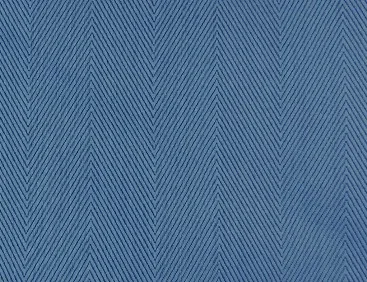 Herringbone 1 x $39.00
Total: $75.00



A bespoke suit is an investment — in craftsmanship, in premium fabric, and in how the world sees you. A well-made suit with canvas interlining and quality wool can last 15 years or more. But only if you take care of it properly.
Most suit damage is not caused by wear. It is caused by improper cleaning, poor storage, and bad habits that slowly degrade the fabric and construction. At Hong Kong Manhattan Tailors, we want every suit we make to look as sharp at year ten as it did at year one. Here is how to make that happen.
This is the single most important piece of advice in this entire guide. Most men dry clean their suits far too frequently — and dry cleaning is the number one cause of premature suit deterioration.
The chemical solvents used in dry cleaning strip natural oils from wool fibres, making the fabric brittle and dull over time. Frequent dry cleaning also weakens stitching, fades colour, and can cause fused interlining to bubble and separate (one of many reasons bespoke suits use floating canvas instead).
How often should you dry clean? A suit worn once a week should be dry cleaned no more than two to three times per year. A suit worn daily in rotation with others might need four cleanings per year at most. If the suit is not visibly stained or carrying an odour, it does not need dry cleaning.
What to do instead: Spot clean small stains with a damp cloth immediately. Hang the suit in a well-ventilated area after wearing — fresh air removes most odours naturally. A steamer removes wrinkles and freshens the fabric without any chemical exposure. These habits alone can double the lifespan of your suit.
Phones, wallets, keys, and pens distort pocket shapes over time. The weight stretches the fabric and creates visible bulges that no pressing can fully remove. Make it a habit to empty your jacket and trouser pockets every evening.
A buttoned jacket under tension while seated puts strain on the button, the buttonhole, and the fabric around them. Unbuttoning when you sit down is not just etiquette — it is garment preservation.
Wool needs rest. The natural fibres recover their shape when given time between wears — the crimped structure of wool springs back, wrinkles release, and moisture evaporates. Wearing the same suit two days in a row does not give the fabric time to recover.
Ideally, a suit should rest at least 48 hours between wears. If you wear suits five days a week, a rotation of three to four suits is the minimum for longevity. This single habit — more than any cleaning method or storage technique — determines how long your suits last.
Never use thin wire hangers. They create pressure points on the shoulders that distort the jacket's shape over time — particularly the shoulder line and the drape of the chest.
Use wide, curved wooden or padded hangers that match the width of your shoulders. The hanger should support the jacket at the same points your shoulders do, maintaining the natural shape of the garment. Cedar wood hangers have the added benefit of absorbing moisture and repelling moths.
Trouser storage: Use a clamp hanger that grips the trouser cuff, allowing the trousers to hang full-length. Gravity pulls wrinkles out naturally. Alternatively, fold the trousers over a padded trouser bar — but never fold them in a drawer.
Wardrobe spacing: Suits need air circulation. Do not pack them tightly together in a wardrobe. Leave at least two to three centimetres between each garment so air can circulate and moisture does not build up.
Minor wrinkles in a quality wool suit will often hang out overnight on a proper hanger. For stubborn creases, a garment steamer is your best tool. Hold the steamer nozzle a few centimetres from the fabric and let the steam relax the fibres — do not press the nozzle directly against the suit.
Avoid ironing directly. A hot iron pressed against suit fabric can create shine marks — permanent areas where the fibres are flattened and reflect light differently. If you must iron, use a pressing cloth (a clean cotton cloth between the iron and the suit) and keep the temperature on the wool setting.
The golden rule with stains is speed. The longer a stain sits, the deeper it sets.
For stubborn or set-in stains, take the suit to a specialist dry cleaner — not a standard high street service. Ask specifically for hand-finishing and gentle solvent treatment.
Business travel is where suits suffer most. Suitcases crush, overhead bins compress, and hotel wardrobes are rarely adequate. Here is how to minimise damage:
Suits you will not wear for several months — heavy winter suits in summer, lightweight linens in winter — need proper seasonal storage:
Even with perfect care, a suit may need professional attention over the years:
A bespoke suit from quality luxury fabric represents a significant investment. Proper care is what turns that investment into lasting value. A suit that is rotated, stored properly, steamed rather than dry cleaned, and treated with respect will look exceptional for well over a decade.
Have questions about caring for your Manhattan Tailors suit? Contact us — our team is always happy to advise.
Ready for your next suit? Book your bespoke fitting at our Tsim Sha Tsui showroom or at an international trunk show near you.