-
 Checks 1 x $19.00
 -
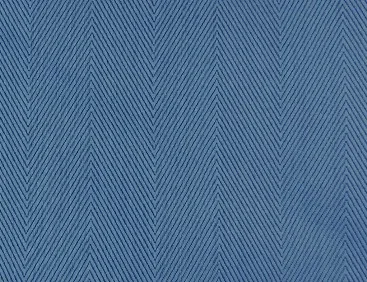 Herringbone 1 x $39.00
Total: $75.00


The Manhattan tailoring guides
The right cloth is a pleasure every time you wear it. Explore 200+ fabrics in our collection with a tailoring team serving clients from 50+ countries, and choose by feel, purpose and performance.
Explore Our Fabric CollectionItalian suit fabric and English suiting are often presented as opposites: one soft and fluid, the other firm and structured. Those descriptions can be helpful shorthand, but they are not dependable specifications. Both traditions offer a wide range of weights, finishes and constructions. Compare individual cloths before deciding which suits you.
Drape describes how cloth hangs and moves. A fluid fabric may create an elegant, softer outline, while a firmer one can hold a more defined shape. The finished result also depends on the pattern, canvas, lining and pressing. You cannot judge a suit’s silhouette from the origin label alone.
Loro Piana is associated with Italian textile expertise and luxury fibres. Dormeuil is a French cloth house with historic connections to English cloth; calling it simply an English mill misses that distinction. Its history records Jules Dormeuil importing English cloth into France in 1842. These names can guide your research, but neither substitutes for examining a specific fabric reference.
Compare swatches of a similar weight and intended use. Feel the surface, fold the cloth gently and observe the way it hangs over your hand. Ask how each option is expected to behave under your normal wearing conditions. A ceremonial suit used occasionally has different demands from trousers worn during a daily commute.
In our experience, the strongest choice is often the cloth that balances an appealing handle with realistic care requirements. Exceptionally fine material can feel luxurious, but softness alone does not establish resistance to abrasion. Nor does a firmer handle automatically mean a cloth is coarse or uncomfortable.
For an international wardrobe, tell us where the suit will spend most of its life. Air-conditioned Hong Kong offices, summer travel and colder destinations call for different compromises. We can compare options against those conditions rather than asking you to choose a country of origin first.
Names matter most when you understand what each business does. A mill manufactures cloth; a merchant or cloth house may develop and distribute collections; a tailoring house makes garments. These roles can overlap, but they are not interchangeable. Ask for the actual cloth reference and origin information for the material you select.
Loro Piana. Its textile business is a reference point for luxury wool and other fine fibres. Evaluate the particular collection’s composition, weight and intended application. A familiar name should begin the conversation about suitability, not end it.
Holland & Sherry. This cloth house offers varied suiting collections with published specifications. For example, its Target range describes Super 120’s worsted suiting around 260 grams. That is a useful specific reference, not a specification for everything carrying the brand’s name.
Dormeuil. Established in 1842, the house has a longstanding relationship with English cloth and offers different collections for different needs. Compare the fabric’s composition and finish rather than assuming every Dormeuil option has the same feel or performance.
Brioni. Brioni is a luxury tailoring house, not an equivalent entry in a list of fabric mills. Its official tailoring account describes its atelier in Penne and the training of its tailors. It is relevant to garment craftsmanship, but should not be used as shorthand for a particular cloth specification.
References here are educational and do not imply a supply agreement or current stock. At your consultation, ask which brands, bunches and individual references are available for your commission. Availability can change, especially when an exact shade or matching extra trousers are important.
Weave describes how yarns interlace. It affects texture, appearance, airflow and drape, but works alongside fibre, yarn twist, density and finishing. Two fabrics with the same weave name can behave quite differently. Handle a swatch large enough to see the structure rather than choosing from a tiny color chip.
Plain weave alternates yarns in a simple over-and-under structure. Open versions can allow useful airflow, making them worth comparing for warm-weather suiting. A plain weave can also be tightly constructed; the name itself does not guarantee breathability.
Twill shows diagonal ribs. It is common in suiting and can offer a smooth appearance with pleasing drape. The exact density and yarn affect how substantial or fluid it feels. Holland & Sherry’s Perennial collection, for example, specifies a 2/2 twill in merino wool.
Herringbone reverses the direction of a twill to create a zigzag effect. Subtle versions add depth to a solid-looking suit, while larger contrasts feel more expressive. Consider how the pattern appears from across a room.
Houndstooth is a broken-check pattern produced through weave and contrasting yarn arrangement. It is a pattern description as much as a shopping category, rather than a direct alternative at the same technical level as plain weave. Small-scale versions can be restrained; larger ones draw attention.
For daily wear, choose texture in relation to the rest of your wardrobe. If shirts and ties already carry patterns, a quieter suit can make combinations easier. Durability still needs a whole-fabric assessment.
100% wool is a versatile starting point for tailored clothing. Different yarns and finishes can produce crisp, airy, smooth or softly textured cloth. The percentage tells you the fibre composition, not the complete performance story. Check the care guidance and the fabric’s intended use.
Wool-silk blends can add lustre and a distinctive surface. The effect depends on the percentage and construction: some are understated, while others catch the light strongly. View the material beside your shirt in daylight and under evening lighting, particularly for photographs.
Wool-linen blends combine wool’s tailoring character with linen’s texture. They can be attractive for relaxed summer suits and separates. Expect some creasing; a blend changes linen’s behavior but does not make it wrinkle-proof. If an immaculate formal finish matters most, compare it directly with a suitable wool.
Performance blends may include other fibres to change stretch, handling or care requirements. Ask what a particular blend is designed to accomplish and what tradeoffs come with it. Added stretch cannot rescue a poorly proportioned garment, and a natural-fibre label alone cannot promise comfort in every climate.
Super numbers refer to wool fibre fineness. They are not thread counts, fabric weights or a complete ranking of quality. For premium suiting materials, match the full specification to your lifestyle. A fine occasional-wear cloth and a resilient everyday option can both be excellent choices for different wardrobes.
Hong Kong dressing often means moving between warm outdoor conditions and cool interiors. Start by discussing the balance of your day: walking, commuting, office work and evening events. The fabric that feels ideal in an air-conditioned fitting room may be less comfortable during an outdoor reception.
An open-weave wool is worth considering for airflow. High-twist yarn options may offer a crisper handle and useful recovery, depending on their construction. Ask to compare cloth around 230–280 grams per running metre as an initial discussion range, not a universal comfort rule. Verify the unit: grams per square metre and grams per running metre are different measurements.
Jacket lining and structure also influence warmth. Partial lining can be appropriate in some designs, but it is only one part of the decision. A very light, dense cloth may breathe less readily than a somewhat heavier, more open alternative.
Humidity-resistant should not be read as waterproof or immune to damp. Air the suit after wearing, dry it fully before storage and keep the wardrobe ventilated. For regular use, rotation helps distribute wear. If travel takes you to cooler places, a second seasonal suit may serve you better than forcing one garment to cover every condition.
Fabric pricing reflects fibre, yarn, manufacturing, finishing, brand and availability. The completed suit price also includes pattern work, construction and fittings. Comparing only a mill label can hide differences in what you are actually buying.
Think in three relative tiers. Accessible quality prioritizes a dependable wool or suitable blend in versatile colors. Premium may offer more distinctive textures, carefully developed finishes or a broader choice of specialist cloth. Rare or highly refined materials can command substantially higher prices because of fibre selection or limited availability, without necessarily being better for daily wear.
For a concrete budgeting exercise, imagine a quoted base suit at HK$8,000 and an alternative fabric that adds HK$2,000. The cloth choice increases that hypothetical total by 25%. These are illustrative numbers, not our prices or market price bands. Decide whether you value the difference in feel and appearance enough to justify it for the suit’s intended use.
Ask for a written total for each shortlisted reference with the same construction and fitting scope. Confirm whether the quote includes lining, extra trousers, delivery and final adjustments where relevant. That makes the comparison meaningful.
When choosing luxury fabric for custom suits, put versatility and comfort ahead of rarity if this is your first commission. There is no universal ranking of the best fabrics for bespoke tailoring: the strongest value comes from a material suited to the wearer, the climate and the frequency of use.
Begin with clean, dry hands and handle the sample gently. Notice whether the surface feels smooth, dry, springy or textured. Each character can be desirable for a different purpose. A silky finish is pleasant, but touch alone cannot authenticate fibre content or predict years of wear.
Drape the cloth over your hand and observe how it falls. Does it form soft curves or hold a firmer line? Imagine that behavior in your preferred jacket shape. Compare two candidates side by side rather than relying on memory from separate appointments.
With permission, gently gather a small area and release it. Observe recovery without treating a brief squeeze as a scientific durability test. Hold the sample toward light to see the openness of the structure. A tighter weave is not automatically superior; airflow may be precisely what a summer suit needs.
Read the label for composition, weight, reference and any care information. Ask which unit the weight uses and whether the reference is currently available in sufficient length. Look at a larger sample for patterns, because scale changes their impact.
Finally, discuss the cloth with your tailor in the context of the complete garment. A beautiful swatch still needs compatible construction, proportion and finishing to become a suit you enjoy wearing.
Spring: compare versatile worsted wool in a moderate weight, with enough structure for work and enough comfort for variable days. Navy, grey and restrained patterns give flexibility across shirts and accessories.
Summer: investigate open-weave wool, appropriate high-twist options or wool-linen for a more relaxed occasion. Consider shade, lining and time outdoors alongside weight. Expect linen-containing fabrics to show their natural creasing.
Autumn: a somewhat fuller-bodied worsted or subtle textured cloth can feel appropriate as conditions change. Choose for your actual location and indoor environment; a calendar date alone is not a reason to wear heavy material.
Winter: flannel and more substantial wool can provide a softer or warmer-feeling seasonal option. For Hong Kong interiors, avoid unnecessary bulk; for colder travel, discuss layering and outerwear as well.
If you want one suit across several seasons, start with the months and settings in which you will use it most. A thoughtful compromise is possible, but no fabric is ideal for every temperature, dress code and activity.
It indicates finer wool fibres, not a complete quality or durability rating. Consider weave, weight, finishing and intended use alongside the number, especially for a suit you will wear frequently.
Neither origin is automatically better. Compare individual references for drape, handle, composition and suitability. Both traditions offer a wide range, and the completed garment’s construction also affects the result.
A versatile wool in a useful color is a sensible starting point. Discuss your climate, budget and wearing frequency before choosing the exact reference. The best choice should work with your existing shirts and shoes.
Brand references in this guide are educational. Ask us about current bunches and available references before visiting for a particular cloth. An exact collection, shade or quantity may need to be confirmed.
Some cloths suit regular wear better than others, but all benefit from appropriate care. Follow the garment’s instructions, air it between wears and seek professional advice for cleaning, pressing or difficult stains.
Explore Loro Piana Textiles, Dormeuil’s history, Holland & Sherry Target specifications, Perennial weave specifications and Brioni’s art of tailoring.